

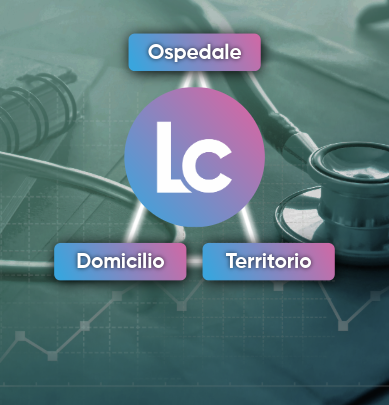
Digital community healthcare and integrated home care
Community healthcare has become one of the cornerstones of the sustainability of modern healthcare systems. The rise in chronic diseases, an aging population, and the need to reduce pressure on hospitals make a new model of patient care essential. In this context, the digitization of local healthcare is not merely a technological support but a true organizational enabler capable of ensuring continuity, coordination, and quality of care.
“The patient’s home is the primary setting for care, but only if it is connected to the system.”
Territorial Healthcare Model
From home to the community: a single care pathway
Home care is the first link in the care chain. However, without the right digital tools, there is a risk of creating isolated care pathways that are difficult to monitor. A digital community health platform makes it possible to integrate home care into a broader ecosystem, where the clinical data collected becomes immediately available to all stakeholders involved in the care pathway.

Remote monitoring and ongoing clinical support
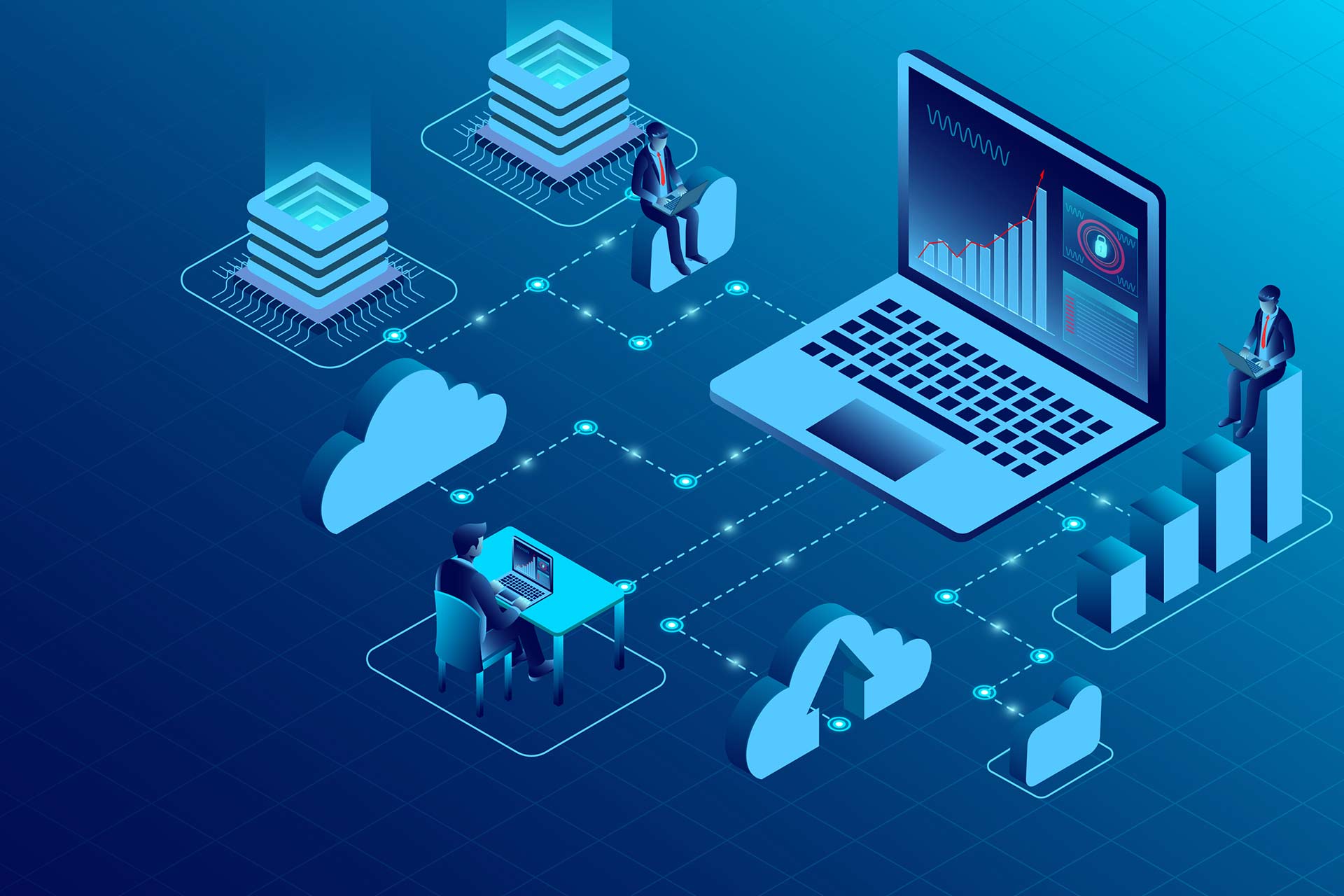
Telemonitoring should not be viewed merely as the collection of vital signs. When integrated into a structured model, it becomes a tool for prevention, decision support, and timely intervention. Healthcare professionals can monitor a patient’s clinical progression, detect signs of deterioration, and dynamically adjust the care plan.
Continuity and Governance of Programs
An effective regional model requires rules, authorizations, and traceability. Every instance of data access must be regulated, and every activity must be situated within a defined care pathway. Only in this way can quality, safety, and long-term sustainability be ensured.
Local Healthcare: Key Issues
- Integrated home care and care management models
- Telemonitoring as a tool for clinical prevention
- Collaboration among professionals and continuity of care