

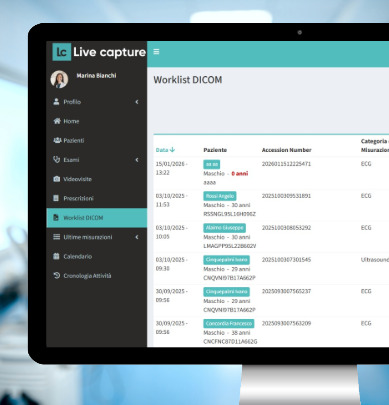
Clinical Worklists and Healthcare Workflow Management
One of the main causes of inefficiency in healthcare settings is the fragmented management of daily tasks. Doctors, nurses, and healthcare workers often find themselves working with static lists, informal communications, and priorities that are not always clear. Smart clinical worklists are designed to solve this problem by transforming task management into a structured, dynamic, and manageable process.
“Clinical efficiency comes from well-organized work, not from rushing it.”
Clinical Operations Design
From static lists to dynamic worklists
Traditional worklists do not take into account clinical changes, emergencies, or staff availability. An intelligent worklist, on the other hand, updates automatically based on the patient’s condition, clinical priorities, and the operational rules defined by the organization. This allows tasks to be distributed more fairly and effectively.


Automatic workload distribution
Manually managing workloads is one of the main sources of stress for healthcare professionals. Smart worklists allow tasks to be assigned based on skills, availability, and workload, reducing overloads and operational bottlenecks. The result is a more balanced and sustainable organization.
Collaborative reporting and business continuity
Smart clinical worklists support collaborative reporting, allowing multiple professionals to work on the same case in a coordinated manner. This approach improves clinical quality, reduces turnaround times, and facilitates complex tasks such as second opinions or multidisciplinary collaboration.
Clinical Worklists: Key Benefits
- Dynamic organization of clinical activities
- Balanced distribution of workloads
- Reducing bureaucracy and improving efficiency